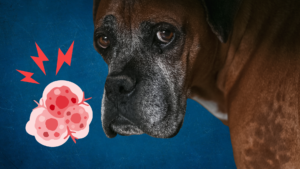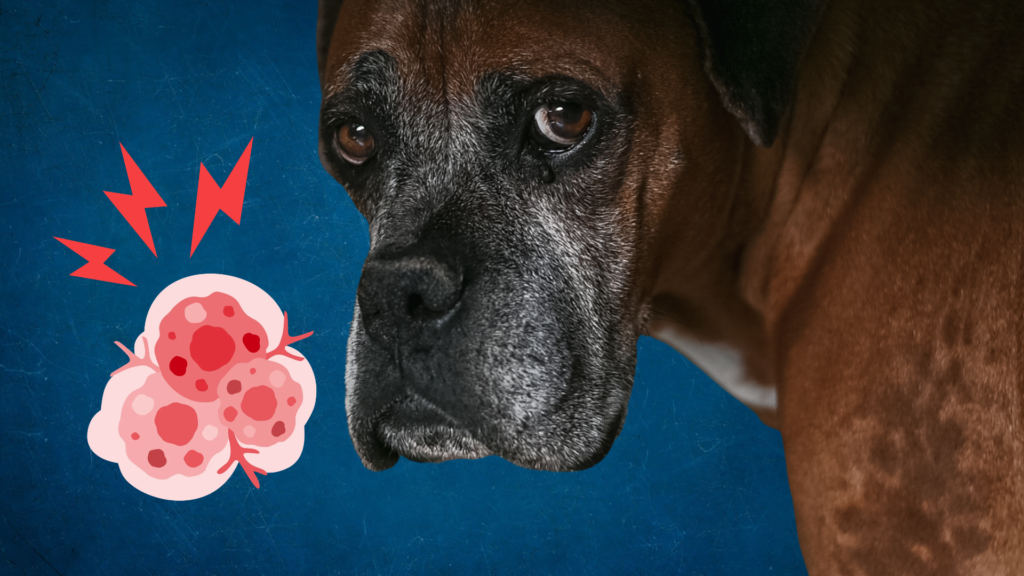
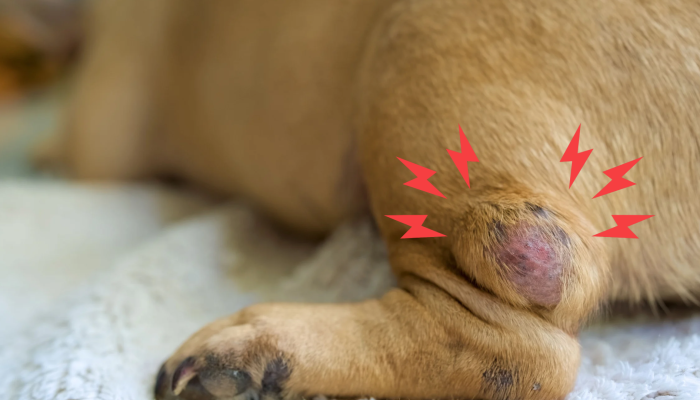
An unfamiliar bump can be easy to miss beneath your dog’s fur until a grooming session or an afternoon cuddle brings it to your attention. Once you notice it, questions about cancer in dogs are hard to set aside.
Although some lumps are cancerous, others have different causes, and an examination at Burien Veterinary Hospital is the place to start. If something about your pet’s body has changed, bring it to our attention. You do not need to know what a lump is before asking a veterinarian to check it.
What a New Lump Might Mean for a Dog
Dogs can develop fatty growths, cysts, inflamed areas, and other masses that are not cancer. A benign growth does not spread to distant parts of the body, although its size or location can sometimes cause problems.
The risk of cancer in dogs increases with age, and certain breeds are more likely to develop particular cancers. Age and breed provide useful background, but neither can tell you what an individual lump contains.
Notice Changes in Your Dog’s Overall Health
A bump is one possible warning sign, especially if it grows, develops a sore surface, or begins to bleed. Other possible signs of cancer in dogs include unexplained weight loss, wounds that do not heal, unusual bleeding from the nose or mouth, difficulty breathing, stiffness, and changes in appetite or energy. These symptoms occur with other conditions, too, so they call for an evaluation rather than a conclusion about cancer.
Share any changes in eating, activity, or comfort when you contact a veterinarian, even if they seem separate from the lump.
What Happens When a Veterinarian Checks a Mass?
When you visit a veterinarian in Burien, they will ask when you discovered the lump, whether it has changed, and whether your dog has shown other symptoms. An examination assesses the growth and your dog’s overall health, but looking at or touching a mass cannot reliably identify whether it is cancerous. Depending on the findings, a veterinarian may recommend collecting cells with a thin needle or taking a small piece of tissue for a biopsy.
Testing can clarify what kind of growth is present and guide recommendations. While waiting for your visit, avoid squeezing the bump or applying products unless your veterinarian directs you to do so.
Make Gentle Body Checks a Habit
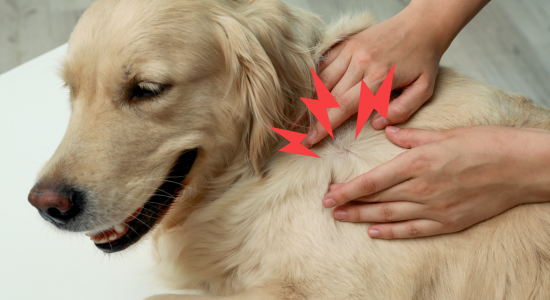
Try working a brief check into a routine your dog already enjoys, such as brushing or relaxed petting. Run your hands gently over their head, body, and legs, noticing any unfamiliar swelling or changes around an existing bump. If your dog cooperates comfortably, lift the lips to look for unusual growths, sores, or bleeding inside the mouth.
Never force a check or continue if your pet seems painful or tense. Write down what you find, take a photograph if practical, and arrange a veterinary evaluation at Burien Veterinary Hospital to discuss new changes, especially as your dog ages.
A Normal Skin Check Does Not Rule Out Illness
Some forms of cancer in dogs develop internally or affect blood cells without producing a lump beneath the coat. Ongoing changes in stamina, weight, appetite, or behavior still deserve attention. You do not have to find a visible mass for a veterinary visit to be worthwhile. Describe what is different about your dog so your veterinarian can decide how to investigate.
Have Your Dog’s Lump Checked in Burien, WA
Burien Veterinary Hospital provides veterinary care for dogs and cats from Burien, White Center, Tukwila, and our surrounding community. If you have noticed a lump, contact our team to arrange a visit and discuss your concerns.
A new bump does not automatically mean bad news, so take the discovery one step at a time. If cancer is diagnosed, we are here to support you and your pet.